
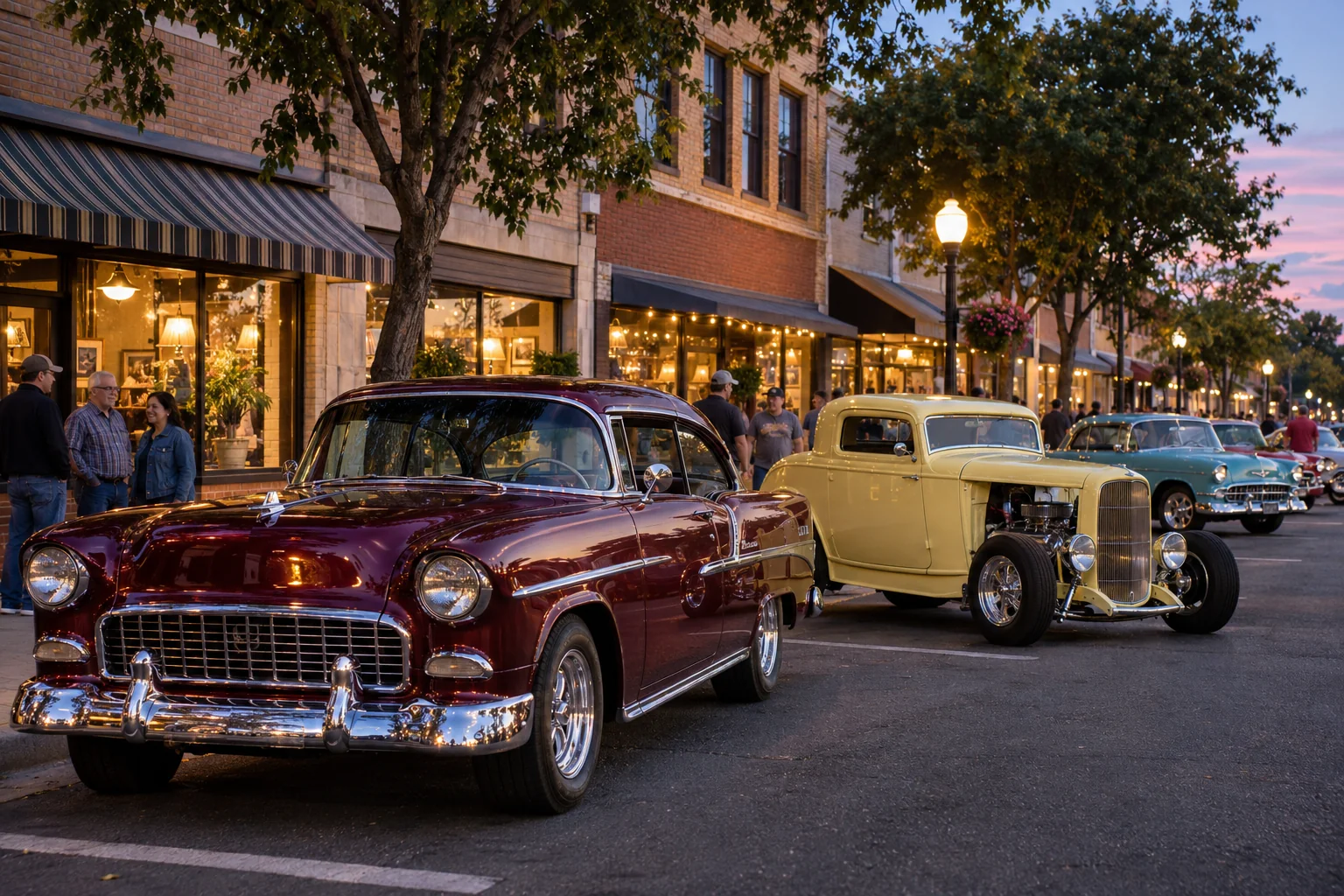
Modesto’s connection to American Graffiti begins with the experiences that inspired the film. George Lucas drew on his youth in the city to create a story about cruising, friendship, and the uncertain moment before adulthood. Lucasfilm’s official production page identifies that hometown influence and dates the film’s release to 1973.
Three dates help keep the story clear. The movie takes place in 1962, was filmed in 1972, and reached audiences in 1973. Its Modesto inspiration is also distinct from its filming locations. Understanding those differences makes both the movie and the city’s connection to it more interesting.
One Night in 1962
In its fiftieth-anniversary account, Lucasfilm explains that Lucas developed the screenplay with Gloria Katz and Willard Huyck. The story follows intersecting lives during one late-summer evening. Steve and Curt face decisions about leaving for college, while other characters encounter their own questions about friendship, identity, and what comes next.
The narrow timeframe gives ordinary encounters unusual weight. A conversation beside a car or a familiar song can seem important when a person suspects that life is about to change. For local-history readers, this is part of the film’s appeal. It suggests how streets and gathering places become meaningful through repeated use, then remain vivid in memory after people move on.
Modesto Inspired the Film, but the Cameras Went Elsewhere
Lucasfilm’s account of the production places the filming in the San Francisco Bay Area. Shooting began in San Rafael in June 1972. After permission to continue there was withdrawn, the production moved to Petaluma. Lucasfilm’s anniversary feature also identifies San Francisco’s Mel’s Drive-In as a filming location.
A Modesto history walk therefore explores the environment and culture that helped inspire the story. It is different from a tour of the places visible in the finished film. A restaurant that influenced Lucas’s memories and a restaurant used by the production can serve different roles in the same story.
Keeping those roles separate avoids a common mistake. A scene that feels connected with Modesto does not establish that a camera stood on a particular Modesto block. Production records are the appropriate evidence for that question; local accounts help explain the city’s own cruising history.
Creating a Convincing Night on Screen
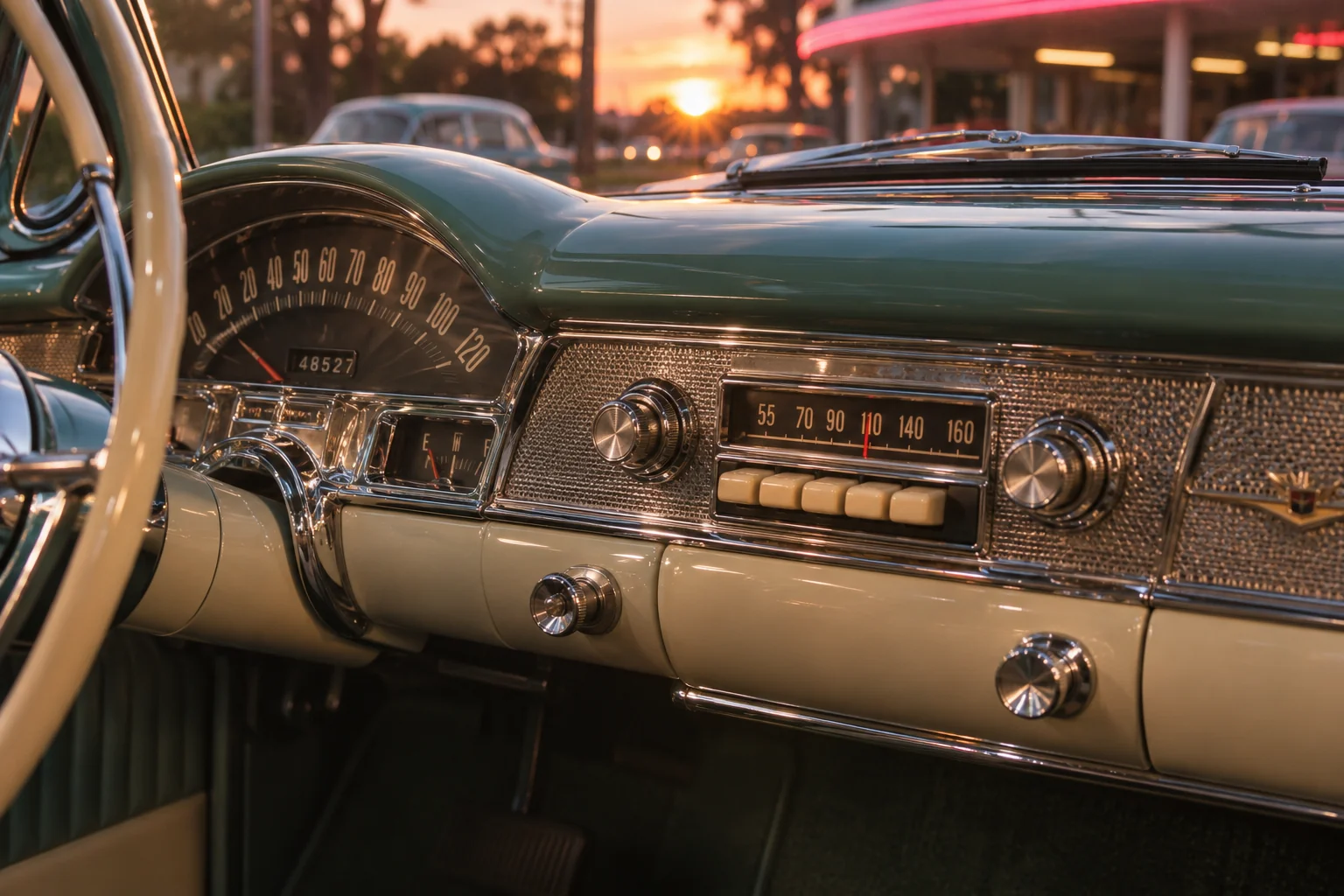
The production account describes the challenges of photographing dimly lit streets during an extended run of night shoots. Cinematographer Haskell Wexler joined as a consultant to help realize Lucas’s visual approach. That work is another reason to distinguish a film from a direct record of a place. Lighting, camera position, performance, and editing shape the finished impression, even when the director begins with strong personal memories.
The Radio Helped Connect the Story
The music in American Graffiti does more than identify an era. In a Lucasfilm interview with sound designer Walter Murch, he explains how an all-night radio program helped connect the film’s separate characters. Wolfman Jack appears as the broadcaster, playing himself.
Murch and Lucas worked to make the music feel as if it belonged to the locations and car radios within the story. They recorded sound with changing distances and directions, then combined tracks to vary its clarity and atmosphere. The result helped the same broadcast move between foreground and background while dialogue remained understandable.
Try listening for this on a viewing. Notice when a song seems close and when it appears to drift from somewhere else. The technique suggests a shared social space even when the characters are apart. It also offers a useful reminder for local history. People remember places through sound and routine as well as through buildings and photographs.
The Local Streets Behind the Connection
The Graffiti USA Museum’s Historic Cruise Route guide describes a Modesto cruising loop that included Tenth, G, Eleventh, and O streets. It identifies Burge’s Drive-In as a turnaround point and as an influence on the film’s drive-in setting.
The guide also locates the Historic Cruise Route Walk of Fame at Tenth Street Plaza. Its markers recognize people connected with the wider culture, including cruisers, musicians, and radio personalities. That broader perspective is useful. A local scene develops through many participants, even when a famous filmmaker later gives it national visibility.
Look at the route as a social landscape. The interesting question is how repeated movement through a small area allowed people to encounter one another. The route gives those memories a physical framework, while individual stories explain what the streets meant to the people who used them.
A Local Story with a Wider Film Legacy
Lucasfilm’s company history identifies American Graffiti as its first production. Its success preceded the creation of Star Wars, giving this comparatively intimate story an important place in the company’s development.
The film entered the National Film Registry in 1995. In an essay published by the Library of Congress, film scholar Peter Krämer considers how its nostalgia engages with change rather than simply presenting a perfect past. That interpretation is helpful for a history website. Enjoying a remembered scene does not require treating one film as a complete account of everyone’s experience.
A productive next step is to compare the movie’s perspective with local photographs, newspapers, and personal accounts. Which gathering places appear repeatedly? Whose experiences are represented, and whose require additional research? These questions do not diminish the film’s connection with Modesto. They turn that connection into an invitation to learn more about the wider community. A successful story can be the beginning of historical curiosity without becoming its only source.
Explore the Connection in Modesto Today
The Graffiti USA Museum describes a mission centered on classic cars, radio, music, and postwar popular culture. Check its current visitor information when planning a stop. Its interests provide a useful starting list of themes to investigate beyond the film itself.
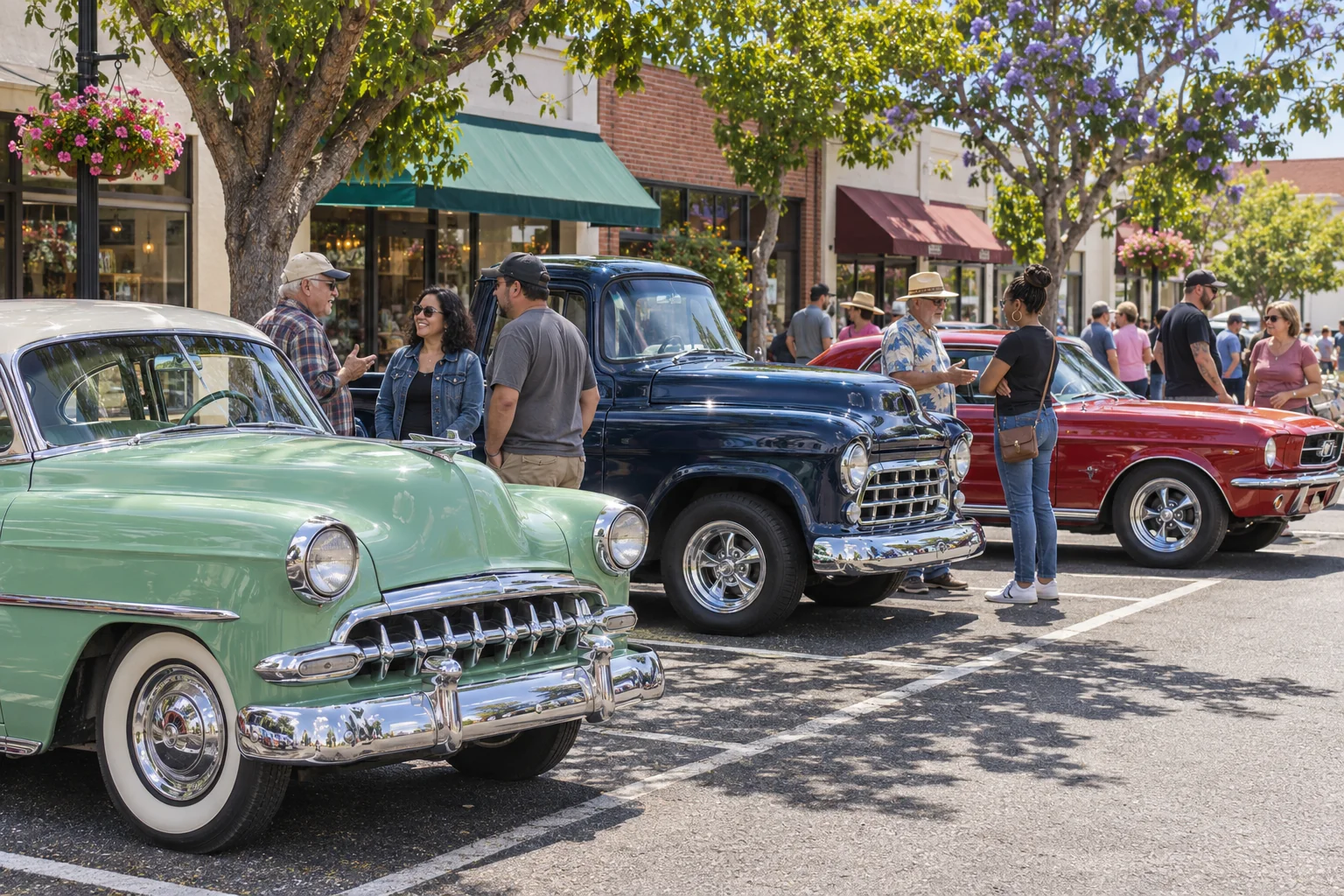
The American Graffiti Festival and Car Show, organized by North Modesto Kiwanis, connects car culture with community fundraising. Consult the organizer for current dates, locations, and participation details. A present-day celebration is another chapter in the story, shaped by people preserving and reinterpreting what the culture means to them.
Build a More Thoughtful History Walk
Keep Three Questions in Mind
Ask what happened locally, what the film recreated elsewhere, and how the city remembers that history today. Those questions help distinguish firsthand experience, filmmaking, and later commemoration. Each deserves attention, and each can lead to a different kind of source.
For more downtown context, explore the Modesto Arch’s civic message and McHenry Mansion’s changing uses. Together, these places and stories show several ways Modesto has expressed its identity, from a public slogan and a preserved home to a film rooted in the memories of youth.